
Designing reliable industrial piping systems for maximum durability requires a comprehensive approach that balances engineering principles with practical installation methods. Industrial facilities across manufacturing, chemical processing, and energy sectors depend on piping systems that operate continuously under demanding conditions. A single failure can result in costly downtime, safety hazards, and environmental risks. The key to avoiding these problems lies in selecting appropriate materials, implementing proper design standards, and ensuring meticulous installation practices from the project’s inception. Modern industrial operations cannot afford compromises when it comes to piping system integrity, making durability a critical design parameter that influences every decision throughout the engineering process.
The foundation of any durable piping system starts with accurate load calculations and stress analysis. Engineers must account for internal pressure, thermal expansion, vibration, and external loads that pipes will encounter during operation. Temperature fluctuations alone can cause significant material stress, with thermal expansion rates varying dramatically between different metals. Carbon steel expands approximately 12 micrometers per meter for every degree Celsius increase, while stainless steel exhibits slightly lower expansion rates. These calculations inform pipe sizing, support spacing, and expansion joint placement. Without proper stress analysis, even the highest quality materials will eventually fail under operational conditions. The design phase must also consider fluid velocity, as excessive flow rates accelerate erosion and increase pressure drop across the system.
Material selection for long-term performance
Choosing the right materials represents perhaps the most critical decision in designing reliable industrial piping systems for maximum durability. Carbon steel remains the workhorse of industrial piping due to its favorable strength-to-cost ratio and wide availability in various schedules and dimensions. However, corrosive environments demand more resistant materials like stainless steel alloys, duplex steels, or specialized materials such as Hastelloy for extreme chemical conditions. The pH level of transported fluids, temperature ranges, and presence of chlorides all influence material selection. For example, austenitic stainless steel grades like 316L offer excellent corrosion resistance in many applications but can suffer from stress corrosion cracking in chloride-rich environments above 60 degrees Celsius.
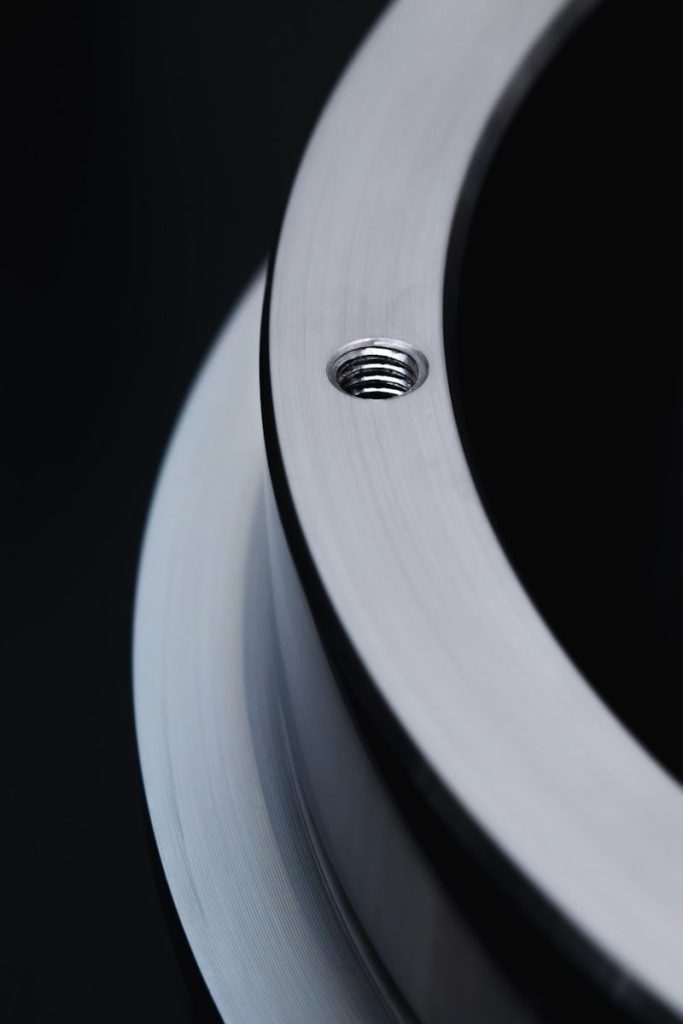
The selection process extends beyond pipe materials to include fittings, flanges, and sealing components that must withstand identical operational stresses. Metal gaskets provide superior sealing performance in high-temperature and high-pressure applications where traditional compressed fiber materials would fail. These gaskets maintain their integrity at temperatures exceeding 500 degrees Celsius and can handle pressures that would destroy softer sealing materials. Metal gaskets come in various configurations including spiral wound, ring joint, and solid metal designs, each suited to specific flange types and operating conditions. Understanding which gasket type best matches your system requirements prevents leaks and extends maintenance intervals significantly.
Engineering robust support systems
Even perfectly specified piping materials will fail prematurely without adequate support infrastructure. Pipe supports must accommodate thermal movement while preventing excessive sagging, vibration, and stress concentration. Support spacing depends on pipe diameter, wall thickness, and fluid density, with industry standards like ASME B31.3 providing detailed guidelines for maximum spans. A six-inch schedule 40 carbon steel pipe typically requires supports every 5.5 meters for horizontal runs, while smaller diameter pipes need closer spacing. Variable spring hangers accommodate thermal expansion in vertical pipe runs, maintaining consistent support force despite position changes. Rigid supports work well for anchoring critical points but must be strategically placed to avoid overstressing the system.
Guide supports allow axial movement while preventing lateral displacement, protecting equipment connections from excessive loads. The ba u approach to support design emphasizes strategic placement at directional changes, heavy components, and equipment interfaces where loads concentrate. Proper support design also considers seismic requirements in earthquake-prone regions, with bracing systems that prevent catastrophic failure during ground motion. Vibration from pumps, compressors, and flow turbulence can cause fatigue failures if supports don’t adequately dampen these dynamic forces. Installing vibration isolators at equipment connections and adding intermediate supports near high-vibration sources extends system life considerably. Support materials must resist the same environmental conditions as the piping itself, with protective coatings applied where corrosion threatens structural integrity.
Connection integrity and ba u principles
Connections represent potential weak points in any piping system, requiring careful attention during design and installation phases. Welded connections offer the highest integrity when performed by qualified welders following approved procedures, but they require radiographic testing or ultrasonic inspection to verify quality. Socket welds suit smaller diameter pipes and high-pressure applications, while butt welds work better for larger lines requiring full penetration. Threaded connections provide convenience for small-bore piping under 50 millimeters but suffer from stress concentrations that limit pressure ratings. Flanged connections facilitate maintenance access but introduce more leak paths requiring proper bolt torque and gasket compression.
The ba u methodology for connection design prioritizes simplicity and standardization across the system. Using consistent connection types, flange ratings, and bolt specifications reduces inventory complexity and minimizes installation errors. Every flanged connection demands proper alignment before bolting, as misalignment causes uneven gasket compression and premature leaks. Bolt tightening follows specific patterns, typically crossing the flange centerline to ensure uniform pressure distribution. Torque wrenches calibrated to manufacturer specifications prevent both under-tightening that allows leaks and over-tightening that damages gaskets or flanges. For critical services, double-checking bolt torque after initial startup accounts for gasket settling and thermal effects that can reduce bolt stress.
Implementing effective corrosion protection strategies
Corrosion represents the primary threat to long-term piping system durability, attacking from both internal and external surfaces. Internal corrosion rates depend on fluid chemistry, flow velocity, temperature, and dissolved oxygen content. Water systems require pH control between 6.5 and 8.5 to minimize metal loss, while chemical inhibitors provide additional protection in closed-loop systems. Cathodic protection using sacrificial anodes or impressed current systems protects buried pipelines and underwater installations. External coation systems including epoxy, polyethylene, or fusion-bonded coatings shield exposed surfaces from atmospheric moisture and chemical exposure.
Galvanic corrosion occurs when dissimilar metals connect in the presence of an electrolyte, with the more active metal corroding preferentially. Preventing this requires isolation using dielectric unions or ensuring both materials fall within 0.25 volts in the galvanic series. Regular inspection programs using ultrasonic thickness gauges identify thinning before failure occurs, with inspection frequencies based on calculated corrosion rates. High-risk areas including dead legs, low points where water accumulates, and areas downstream from control valves deserve more frequent monitoring. Metal gaskets in corrosive services may require special alloys like Inconel or titanium that resist the specific chemicals present in the system.
Quality control throughout installation
Superior design means nothing without meticulous installation practices that translate engineering specifications into physical reality. Pre-installation cleaning removes mill scale, rust, and contamination that could compromise weld quality or introduce debris into the system. Proper pipe beveling ensures consistent root penetration during welding, while fit-up tolerances must meet code requirements for gap and alignment. Welding procedures require qualified welders working with approved parameters for amperage, voltage, travel speed, and preheat temperatures. Each welder’s work should be tracked through identifying stamps, allowing performance monitoring and accountability.
Post-weld heat treatment relieves residual stresses in thick-walled carbon steel pipes, reducing susceptibility to stress corrosion cracking. Hydrostatic testing verifies system integrity before commissioning, typically at 1.5 times the design pressure held for a minimum duration. Pressure testing must follow specific procedures that control fill rates, eliminate air pockets, and protect against water hammer. Visual inspection of all exposed surfaces identifies coating damage, support issues, or alignment problems before insulation covers the piping. Documentation including isometric drawings, weld maps, test records, and material certifications provides traceability and supports future maintenance decisions.
Maintenance strategies for sustained reliability
Achieving maximum durability from industrial piping systems requires ongoing maintenance that addresses wear before it becomes critical. Predictive maintenance using vibration analysis, thermography, and ultrasonic testing identifies developing problems while equipment remains operational. Thickness monitoring programs track corrosion rates and predict remaining service life, allowing planned replacements during scheduled outages rather than emergency shutdowns. Valve maintenance including packing adjustment, stem lubrication, and seat inspection prevents leaks and ensures proper flow control. Gasket replacement during turnarounds should follow a risk-based approach, prioritizing high-consequence services while accepting longer intervals for less critical applications.
Cleaning programs remove deposits that accelerate corrosion or restrict flow, with methods ranging from chemical cleaning to mechanical pigging depending on the system. Recoating damaged external surfaces before corrosion penetrates deeply extends service life at minimal cost compared to pipe replacement. Training operators to recognize early warning signs like unusual noises, temperature changes, or pressure fluctuations enables quick response before minor issues escalate. How often should comprehensive system inspections occur? Most facilities benefit from annual walkdowns supplemented by detailed inspections every three to five years depending on service severity. Maintaining detailed maintenance records enables trend analysis that optimizes inspection intervals and replacement timing based on actual performance rather than arbitrary schedules.
