
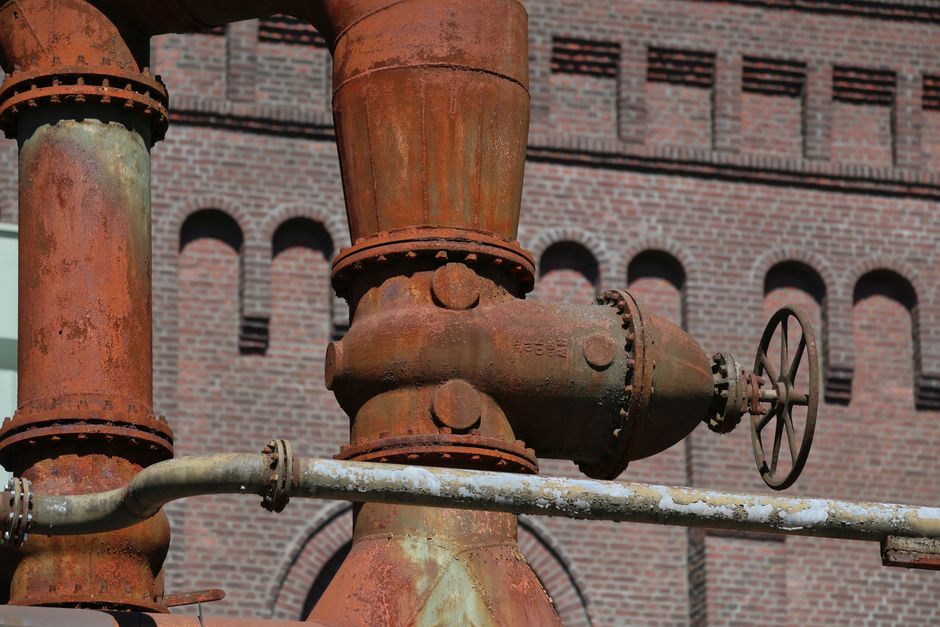
Industrial facilities worldwide depend on equipment that runs continuously under demanding conditions. Maintaining industrial equipment: essential components for reliable operations is not just a technical requirement but a business imperative that affects production schedules, safety standards, and profitability. Manufacturing plants, chemical facilities, and power generation stations all share one common challenge: keeping complex machinery operational while minimizing downtime. The key lies in understanding which components require the most attention and implementing proactive maintenance strategies. Equipment failures can cost companies thousands of dollars per hour in lost production, making preventive maintenance far more economical than reactive repairs. A well-maintained facility typically experiences 30 to 40 percent fewer breakdowns than one following a run-to-failure approach.
Critical sealing systems in process equipment
Heat exchangers play a vital role in countless industrial processes, transferring thermal energy between fluids to maintain optimal operating temperatures. These devices require careful attention to their sealing components, which prevent fluid leakage and maintain system efficiency. A heat exchanger gasket serves as the critical barrier between different process streams, ensuring that hot and cold fluids remain separated while allowing heat transfer through metal surfaces. These gaskets face extreme temperature variations, pressure fluctuations, and exposure to corrosive chemicals throughout their service life. Selecting the appropriate gasket material requires understanding the specific operating conditions, including maximum temperature, pressure rating, and chemical compatibility. Common materials include compressed fiber, graphite, and rubber compounds, each suited for different applications. When a heat exchanger gasket fails, the consequences can range from minor efficiency losses to complete system shutdowns and environmental releases.
Lubrication programs that extend equipment life
Proper lubrication remains one of the most cost-effective maintenance practices available to industrial operators. Bearings, gears, and rotating equipment require consistent lubrication schedules tailored to their operating conditions and manufacturer specifications. Over-lubrication can be just as damaging as under-lubrication, causing excessive heat buildup and seal failures. Studies show that approximately 50 percent of bearing failures result from improper lubrication practices. Implementing a systematic approach involves tracking lubrication intervals, using the correct lubricant grades, and monitoring oil condition through periodic analysis. Modern facilities increasingly use automatic lubrication systems that deliver precise amounts at predetermined intervals, eliminating human error and ensuring consistency. Temperature monitoring at bearing housings provides early warning signs of lubrication problems, typically showing increases of 20 to 30 degrees before catastrophic failure occurs.
Monitoring vibration for predictive insights
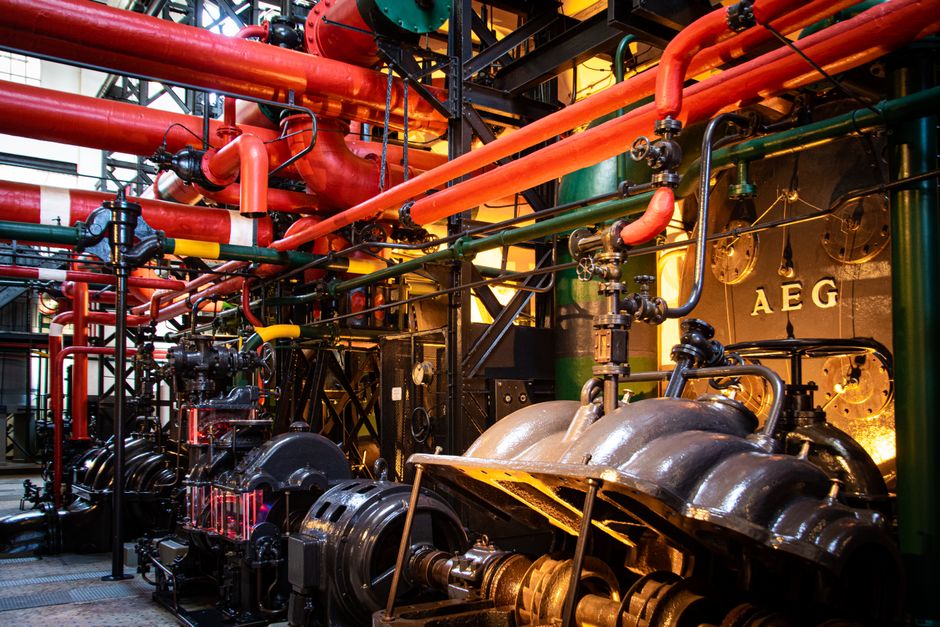
Vibration analysis has become an indispensable tool for detecting mechanical problems before they cause equipment failure. Every rotating machine produces a unique vibration signature that changes when components begin to wear or misalign. Baseline measurements taken during normal operation provide reference points for future comparisons. Portable vibration analyzers allow technicians to quickly assess equipment health during routine rounds, identifying issues like bearing wear, shaft misalignment, unbalance, and looseness. Permanent monitoring systems on critical equipment provide continuous surveillance and automatic alerts when vibration levels exceed preset thresholds. The technology can detect problems weeks or months before they would become apparent through other means. A comprehensive vibration program typically reduces unexpected failures by 70 to 80 percent while allowing maintenance teams to plan repairs during scheduled shutdowns rather than emergency situations.
Alignment precision in rotating machinery
Shaft alignment between drivers and driven equipment represents a fundamental maintenance task that significantly impacts equipment reliability. Misalignment causes excessive vibration, premature bearing failure, seal leakage, and increased energy consumption. Traditional straight-edge and dial indicator methods have given way to laser alignment systems that achieve precision within thousandths of an inch. The investment in alignment tools pays for itself quickly through extended component life and reduced energy costs. Proper alignment can reduce bearing temperatures by 10 to 15 degrees and extend seal life by three to five times. Thermal growth must be factored into alignment calculations, as equipment may shift position when reaching operating temperature. Documenting alignment results creates a historical record that helps identify foundation problems, piping strain, or other systemic issues affecting multiple machines.
Addressing thermal management components
Industrial processes generate substantial heat that must be managed effectively to maintain equipment within safe operating ranges. Cooling systems require regular inspection and maintenance to ensure optimal performance throughout demanding production cycles. Heat exchangers need periodic cleaning to remove scale, fouling, and deposits that reduce heat transfer efficiency. Performance monitoring through temperature differential measurements indicates when cleaning becomes necessary, typically when efficiency drops by 15 to 20 percent. Gasket inspections during turnarounds prevent unexpected failures that could compromise production schedules. The ba u of cooling tower systems requires attention to water treatment, drift eliminator condition, and fan operation. Proper water chemistry prevents scale formation and corrosion that damage heat transfer surfaces. Many facilities implement online monitoring systems that track cooling water flow rates, temperatures, and chemical concentrations. These systems alert operators to developing problems before they impact production, enabling timely intervention.
Electrical system integrity checks
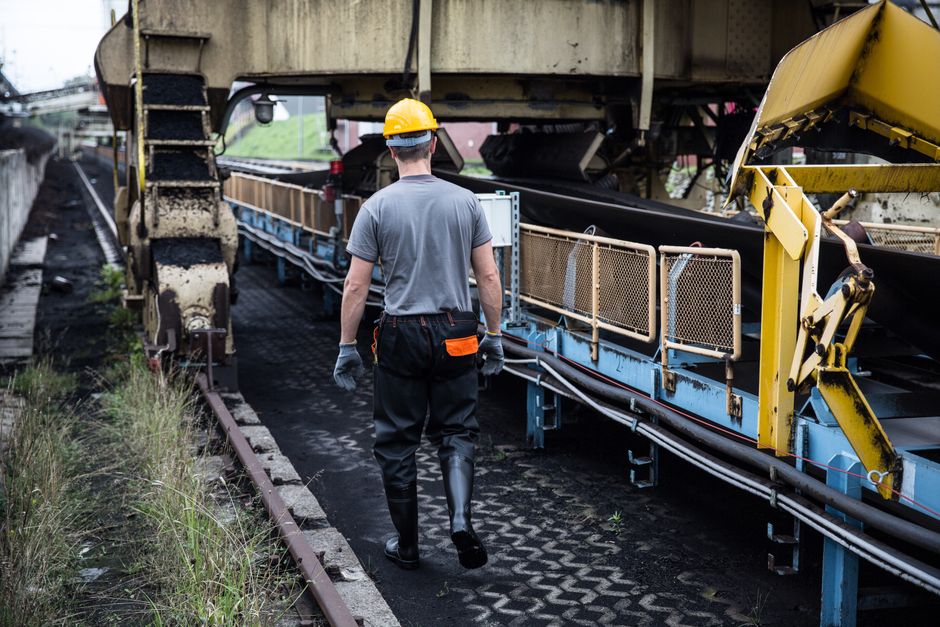
Motors and electrical distribution equipment require specialized maintenance approaches that complement mechanical system care. Thermographic surveys detect hot spots in electrical connections, indicating loose terminals or overloaded circuits before they cause failures. Motor insulation resistance testing identifies deteriorating windings that could lead to catastrophic failures and extended downtime. The ba u of motor control centers involves checking contact conditions, verifying protective relay settings, and ensuring proper ventilation. Harmonic distortion from variable frequency drives can damage electrical components if not properly managed through filters and isolation transformers. Power quality monitoring identifies voltage fluctuations, phase imbalances, and harmonic content that stress electrical equipment. Maintaining industrial equipment: essential components for reliable operations includes recognizing that electrical and mechanical systems interact closely, with each affecting the other’s performance and longevity.
Documentation and continuous improvement
Effective maintenance programs depend on thorough documentation that captures equipment history, failure patterns, and corrective actions. Computerized maintenance management systems organize work orders, track parts inventory, and schedule preventive tasks based on time or usage parameters. Historical data analysis reveals recurring problems that may require design modifications or upgraded components. Maintenance teams should review failure reports quarterly to identify trends and implement targeted improvements. Training programs ensure technicians understand proper procedures and stay current with evolving technologies and best practices. Measuring key performance indicators like mean time between failures and maintenance cost per unit produced helps justify investments in reliability improvements. The most successful facilities view maintaining industrial equipment: essential components for reliable operations as an ongoing journey rather than a destination, constantly refining their approaches based on experience and emerging technologies.
